
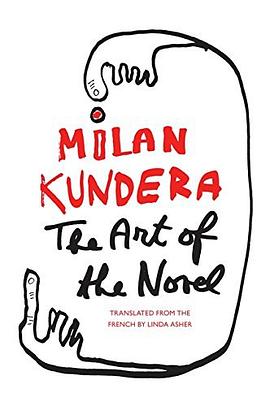

具体描述
Every novelist's work contains an implicit vision of the history of the novel, an idea of what the novel is. I have tried to express here the idea of the novel that is inherent in my own novels.
-- Milan Kundera Kundera brilliantly examines the work of such important and diverse figures as Rabelais, Cervantes, Sterne, Diderot, Flaubert, Tolstoy, and Musil. He is especially penetrating on Hermann Broch, and his exploration of the world of Kafka's novels vividly reveals the comic terror of Kafka's bureaucratized universe. Kundera's discussion of his own work includes his views on the role of historical events in fiction, the meaning of action, and the creation of character in the post-psychological novel.
用户评价
##What the novel alone can discover: man's being.
##readable and provocative i like it
##亲切
##很有意思诶 昆德拉对小说的很多思考和评价对我来说还是很新颖的 而且读完以后有一种豁然开朗的感觉
##3.5 正统、严肃、博学、自信,昆德拉自封为三百年les temps modernes的继承者。喜欢他写的故事,喜欢他的理论,但不太喜欢他,a huge halo deceptively unaware of itself。也许是因为,作为一个小人物,与一个历史传承者生活在同一个时代而感到别扭吧,没法打心底认同这种legitimacy。
##讀完他的小說再讀會更好
##很有意思诶 昆德拉对小说的很多思考和评价对我来说还是很新颖的 而且读完以后有一种豁然开朗的感觉
昆德拉的文论居然写得这么好,以及、可以看得出来他对卡夫卡学者的意见真是蛮大的…









##昆德拉对卡夫卡十分推崇Part 5, What is the Kafkan? 贯穿整本书的对于卡夫卡的评价及分析十分精妙。 文学和音乐的结构对比。 对于novel作为一种整合narrative,lyrical and philosophy的一种艺术形式有非常精彩的论述。 “Modern stupidity means not ignorance but the nonthought of received ideas.”