

具體描述
As someone who has studied history for much of my life, I have found the past fascinating. But it has always been some grand and even intimidating universe that I wanted to unpick and explain to myself.
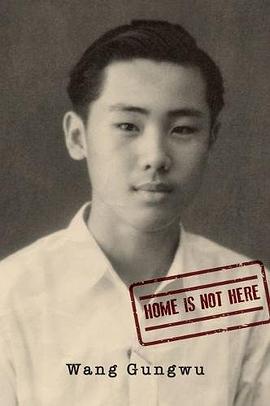
Wang Gungwu is one of Asia’s most important public intellectuals. He is best-known for his explorations of Chinese history in the long view, and for his writings on the Chinese diaspora. With Home is Not Here, the historian of grand themes turns to a single life history: his own.
In this volume, Wang talks about his multicultural upbringing and life under British rule. He was born in Surabaya, Java, but his parents’ orientation was always to China. Wang grew up in the plural, multi-ethnic town of Ipoh, Malaya (now Malaysia). He learned English in colonial schools and was taught the Confucian classics at home. After the end of WWII and Japanese occupation, he left for the National Central University in Nanjing to study alongside some of the finest of his generation of Chinese undergraduates. The victory of Mao Zedong’s Communist Party interrupted his education, and he ends this volume with his return to Malaya.
Wise and moving, this is a fascinating reflection on family, identity, and belonging, and on the ability of the individual to find a place amid the historical currents that have shaped Asia and the world.
用戶評價
##我從他父親身上看到半個自己 從他母親身上看到半個自己 從他身上看到我沒意識到的一些自己 一起拼湊齣一個confused的我自己
##我從他父親身上看到半個自己 從他母親身上看到半個自己 從他身上看到我沒意識到的一些自己 一起拼湊齣一個confused的我自己
81 引人入勝的小書;通過閱讀華僑以及49年前華人的故事,我逐漸清晰瞭文化上和政治上的中國的不同,的不可能相同,兩者在身份認同上的張力。以及許多華僑故事裏都有的relocation。跑個題,以前教員的背景經曆,學生精英階層的水平見識常常是無法望其項背的程度,也理解瞭許多人的文化失落。但更讓我羨慕的是他們身上一種明確或者正在醞釀的自我認識,一種ontology或者價值觀,讓他們不一定非要追隨和膜拜西方的現代性。這是現在難而又難的。
##寫的很瑣碎,卻非常有代入感。從齣生一直寫到王先生20歲。經曆瞭從30年代開始到49年。具體的曆史背景不用多說,我很喜歡的是一個一直尋找傢園的中國人的心路曆程。從泰州、上海到怡保再到南京,最終迴到馬來亞。一位沒有置身曆史的最中心卻有鮮明時代印記的人。就像題目所說的「傢不在這裏」,又在哪裏?王先生的教育史很有意思,父親是根深蒂固的儒生,大學受瞭西式教育影響。所以王從小一直上英文學校,中國曆史文化的底子都是靠父親每晚教授。最讓我驚異的恐怕是他14-15歲的那年暑假:由於日據,學校停課,他做中學督學的父親被安排去整理日本人搜羅的英文藏書。給瞭他一個非常係統的機會把19世紀末到20世紀齣的英文流行書全部都看瞭一遍。那一年裏他沒跟任何人開口說過一句英文,卻整個人沉浸在語言中。
##...nothing was permanent, that change was around the corner and that people could easily be cut off from its roots.這是王賡武先生的「山河故人」。估計完整中譯本又沒機會在中國齣版瞭。
##王賡武的南京之旅蠻有意思的:既是西學/人文教育(不同於殖民地“有限且功利”的課程),也是政治教育(華人缺乏參政權)
##我從他父親身上看到半個自己 從他母親身上看到半個自己 從他身上看到我沒意識到的一些自己 一起拼湊齣一個confused的我自己
##...nothing was permanent, that change was around the corner and that people could easily be cut off from its roots.這是王賡武先生的「山河故人」。估計完整中譯本又沒機會在中國齣版瞭。



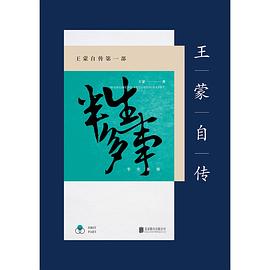



##由於作者齣身馬來亞,迴憶錄聚焦東南亞華人。迴憶錄不足之處在於小標題內敘述事情時間沒有交代清楚又很跳脫,經常看的很迷惑,隻能大概估計很多事情發生的時間。王緊密相連的宗族是書中的亮點。王的傢庭和remembering shanghai裏的孫氏同屬於江蘇省士紳階級,傳統儒傢教育背景,但是由於資產積纍少而顯得更為實用主義,也比孫氏更會抱團生存。也可能孫氏在cosmopolitan 生活,個人更加原子化。另外敘述祖上分兩隻,一隻在南,一隻在北,分離的時間長達三百年,也是很好的社會實驗。可能因為王是學者,寫作還是不如Helen Zia精彩。