

具体描述
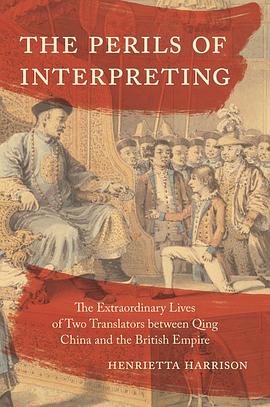
The 1793 British embassy to China, which led to Lord George Macartney’s fraught encounter with the Qianlong emperor, has often been viewed as a clash of cultures fueled by the East’s disinterest in the West. In The Perils of Interpreting, Henrietta Harrison presents a more nuanced picture, ingeniously shifting the historical lens to focus on Macartney’s two interpreters at that meeting—Li Zibiao and George Thomas Staunton. Who were these two men? How did they intervene in the exchanges that they mediated? And what did these exchanges mean for them? From Galway to Chengde, and from political intrigues to personal encounters, Harrison reassesses a pivotal moment in British-China relations. She shows that there were Chinese who were familiar with the West, but growing tensions endangered those who embraced both cultures and would eventually culminate in the Opium Wars.
Harrison demonstrates that the Qing court’s ignorance about the British did not simply happen, but was manufactured through the repression of cultural go-betweens like Li and Staunton. She traces Li’s influence as Macartney’s interpreter, the pressures Li faced in China as a result, and his later years in hiding. Staunton interpreted successfully for the British East India Company in Canton, but as Chinese anger grew against British imperial expansion in South Asia, he was compelled to flee to England. Harrison contends that in silencing expert voices, the Qing court missed an opportunity to gain insights that might have prevented a losing conflict with Britain.
Uncovering the lives of two overlooked figures, The Perils of Interpreting offers a valuable argument for cross-cultural understanding in a better-connected world.
用户评价
##可以算是心目中全球史与微观史结合又一个典型案例了,不只是跨文化的故事,更有大问题的关怀。
##“以小见大”的微观史作品,主角是早已成为历史注脚的两位译者。作者从史料中回溯了小斯当东和李自标的一生,从两位译者的角度分析了当时中英两国的文化碰撞。前者因怕遭迫害而离开中国,从此以后再也没有来过中国,后者则在东躲西藏中度完余生。翻译并不是一件容易的事,尤其是在两国外交之时,译者首当其冲,两头不讨好,稍有不慎便会酿成不可挽回的后果,他们的选择甚至可以影响两个国家的关系。但译者又是极易被忽视的群体。即使是在今日,李和小斯当东的经历也极为不平凡,而两人之间的跨越山海的友谊则证明:只要我们认真倾听、共情和了解彼此,我们就能一起创建互相连接、和平对话的世界。
##沈艾娣对于翻译的看法让我很受震动,她的人文关怀也很让我感动。缺点就是叙事有点琐碎吧,尤其是马嘎尔尼使团那一段看得挺痛苦的。对翻译史是越来越感兴趣啦,作者能把一个小题目做得这么大真的超厉害!接下来要抓紧去看看关诗珮那本书啦~
##以近代史史料之繁复,能够爬梳多语言档案、洞悉其中的草蛇灰线、又能以“深描”的叙事方式把大小历史结合起来的学者不多,沈老师算一位。数十年来关于马戛尔尼使团访华的研究汗牛充栋,但作者却别出心裁地将目光投注在了此行的两位译员身上,也因此有了许多有趣的发现:比如拉丁文才是翻译过程中的medium language,因为华人李自标自幼在那不勒斯学院接受的是古典学教育,并没有相应的英文知识,只能靠拉丁文与使节团进行沟通;以及使节团提出的天主教传教自由的要求其实是李出于自己的天主教徒背景而夹带进的“私货”,尽管并未获得成功。作者认为嘉庆时期对这种in-between的文化中介者的不信任导致了译者的疏离,进而造成决策者对英帝国信息的缺失和误判。如果最后没有又回到检讨鸦片战争失败原因的老路上就更好了……
##真的太好看了!此处立誓要写出一本差不多好看的!
##真的太好看了!此处立誓要写出一本差不多好看的!
##“以小见大”的微观史作品,主角是早已成为历史注脚的两位译者。作者从史料中回溯了小斯当东和李自标的一生,从两位译者的角度分析了当时中英两国的文化碰撞。前者因怕遭迫害而离开中国,从此以后再也没有来过中国,后者则在东躲西藏中度完余生。翻译并不是一件容易的事,尤其是在两国外交之时,译者首当其冲,两头不讨好,稍有不慎便会酿成不可挽回的后果,他们的选择甚至可以影响两个国家的关系。但译者又是极易被忽视的群体。即使是在今日,李和小斯当东的经历也极为不平凡,而两人之间的跨越山海的友谊则证明:只要我们认真倾听、共情和了解彼此,我们就能一起创建互相连接、和平对话的世界。
##作为历史读物确实为反欧洲中心论又添了一把柴火。读起来很流畅很有趣。不过,可能从侧面也反映出了一些历史作品的局限性。比如作者说是因为这些cultural mediator给决策者传递了错误的信息所以才导致了很多我们不想看到的后果。但是这也只是一种cultural exchange的情况。(不过还是给proposal灵感来源五星!



##今天我们的外交翻译足够好吗?作者说英国人可能还是听不懂翻译官总的古代表达,以及比较让人困惑的某理论术语翻译……读完有些难过。不管你做了什么,那不过是夏天里飘过的一朵云……鸦片战争的爆发就是因为贸易逆差导致,是不可避免的。双方好译者的缺失只是加速事情的发生一点点……