

具體描述
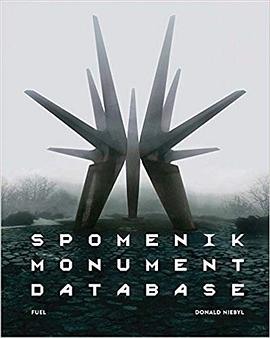
Spomenik’ the Serbo-Croat/Slovenian word for ‘monument’ – refers to a series of memorials built in Tito’s Republic of Yugoslavia from the 1960s-1990s, marking the horror of the occupation and the defeat of Axis forces during World War II. Hundreds were built across the country, from coastal resorts to remote mountains. Through these imaginative forms of concrete and steel, a classless, forward–looking, socialist society, free of ethnic tensions, was envisaged.
Instead of looking to the ideologically aligned Soviet Union for artistic inspiration, Tito turned to the west and works of abstract expressionism and minimalism. As a result, Yugoslavia was able to develop its own distinct identity through these brutal monuments, which were used as political tools to articulate Tito’s personal vision of a new tomorrow. Today, following the breakup of the country and the subsequent Yugoslav Wars of the 1990s, some have been destroyed or abandoned. Many have suffered the consequences of ethnic tensions – once viewed as symbols of hope they are now the focus of resentment and anger.
This book brings together the largest collection of spomeniks published to date. Each has been extensively photographed and researched by the author, to make this book the most comprehensive survey of this obscure and fascinating architectural phenomenon.
A fold-out map on the reverse of the dust jacket shows the exact location of each spomenik using GPS coordinates.
用戶評價
##巴爾乾半島旅遊預定
##from MOMA,南斯拉夫的紀念碑(越是意識形態強烈越需要Monument啊...
##過於好
##關於意識形態很有用的一本視覺方麵的圖像書
##本書封麵能打開,有一張完整的紀念碑位置地圖,非常贊
##六月拿到,今天纔一點點全看完。完全符閤(我這樣的)精神前南人全部或破敗,或輝煌,如今奄奄一息又屹立不倒的幻想。spomenik是Serbo-Croatian語中memorial的意思,當然,當然,關於過去政治意義的討論現在已經難以探尋,但希望未來還是有人能注視這些沉默的鋼鐵怪獸。年度最佳給TJENTIŠTE裏的那句“What is missing is the senselessness of dying...the pain of those waiting for help which never arrived...it is victory, it is heroes giving their lives purposefully for the new project.”
來自未來 紀念過去
##好震撼!










##這些紀念碑讓人感覺有一種科幻感、荒誕感,覺得他們像未來的東西,宇宙飛船什麼的。但是他們又是過去的東西,是一些“人”建造後,突然遇到災難落荒而逃,跟復活節島上的巨人一樣,標記著某種文明在這裏存在過。