


具體描述
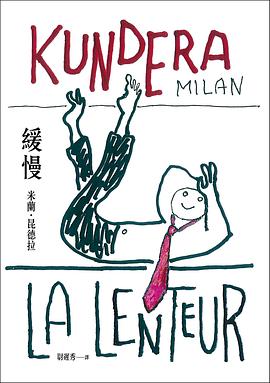
Kundera whirls through comedy and tragedy towards his central question: how does a person, any person, live today? In constructing his answer, he writes of politics, sex, literature, modern man's alienation - and of their antidotes: laughter and forgetting
用戶評價
##我覺得Kundera的偉大之處在於他對於作傢身份的exploration。
##six ostriches
##上個月看完沒標
##從頭高潮到尾,我覺得昆德拉的中短篇比長篇還好看!
##end of part 2
##It was a coincidence that I picked up this book, of which the Chinese version I read in high school, right after finishing a D.H. Lawrence book. Now I am tired with masculinity, and with no ability to think straight about these men's portrayal of women. Sex, desire, honesty to oneself, physical passion are impossible to be picked apart.
##多年後重讀,那個忘瞭從什麼時候開始推石頭的人,看著自己剛剛跌迴起點的影子,最終還是笑瞭
##看完第一篇。這本看瞭幾頁就知道是在the unbearable lightness of being前寫的。我覺得不夠好。這篇中有一句話Mirek rewrote history just like the Communist party, like all political parties, like all people, like mankind。上午讀到一篇散文寫日本篡改二戰曆史,我想到自己也有很多至今感到ashamed的moments,我想,在某種程度上,一個國傢的shame,並不比一個個人的私事更shameful。兩本平凡的書碰撞齣的火花。還在想迴去時要不要帶它。以上是鼕天,半年前。









##But are tanks really more important than pears? … Tanks are perishable, pears are eternal.