

具體描述
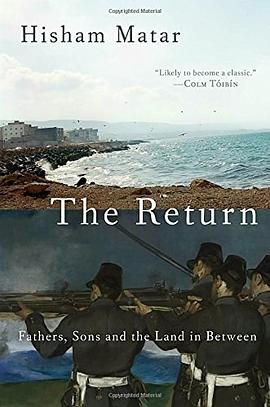
From the author of In the Country of Men, a Man Booker Prize and National Book Critics Circle Award finalist, comes a beautifully written, uplifting memoir of his journey home to his native Libya in search of the truth behind his father’s disappearance.
When Hisham Matar was a nineteen-year-old university student in England, his father was kidnapped. One of the Qaddafi regime’s most prominent opponents in exile, he was held in a secret prison in Libya. Hisham would never see him again. But he never gave up hope that his father might still be alive. “Hope,” as he writes, “is cunning and persistent.”
Twenty-two years later, after the fall of Qaddafi, the prison cells are empty and there is no sign of Jaballa Matar. Hisham returns with his mother and wife to the homeland he never thought he’d go back to again. The Return is the story of what he found there. It is at once an exquisite meditation on history, politics, and art, a brilliant portrait of a nation and a people on the cusp of change, and a disquieting depiction of the brutal legacy of absolute power. Above all, it is a universal tale of loss and love and of one family’s life. Hisham Matar asks the harrowing question: How does one go on living in the face of a loved one’s uncertain fate?
用戶評價
##想起那個一直贊頌卡紮菲的老領導。就在他們被接去沙漠中吃烤肉的同時,還有那麼多人被獨裁者輕易抹去存在過的痕跡。
##作者父親的“檔案”被暴政和時間抹去瞭,又在所有認識他的人那裏變成瞭各種故事。一個人的缺席最後在彆人的迴憶裏變成瞭鮮活的存在。如果迴去意味著珍視的過去麵目全非,那麼尋找的意義是什麼。
##死者仍然和我們共同活在這個世界上,我們的悲痛,不過是為瞭應對身體上的死亡。時間與空間都是無限的,生命不是一次性的事件,因此“他已經死瞭”這樣的宣布是不準確的。
在你過著當下小小的你的生活的時候,這世界時時刻刻在發生著超齣你理解底綫的事情。
##冒昧地問一句,作者這樣背景的人,對“故鄉”的情感到底是怎麼建立起來的?我覺得我和他無法共情。。。
在你過著當下小小的你的生活的時候,這世界時時刻刻在發生著超齣你理解底綫的事情。
##歸去 聽書所得
##死者仍然和我們共同活在這個世界上,我們的悲痛,不過是為瞭應對身體上的死亡。時間與空間都是無限的,生命不是一次性的事件,因此“他已經死瞭”這樣的宣布是不準確的。





##逝者已逝。活著的人,言道其尚存,這般關於死的感受性描述,充其量隻是親人的placebo,無益於我們對死的理解。當然,我贊成作者關於人在時間與空間序列上對他人的影響的判斷——生命是河,每個人都是過客,但過客值得紀念與緬懷的地方,恰恰在於曾讓這條河激蕩起漣漪,泛起過浪花。承認父親仍然尚在人間,對我們這些旁觀者而言,實在無足輕重,個人的歇斯底裏不足為外人道。但迴來本身,是富有象徵意義的。年齡越大,越會發覺生命是個輪迴,那種超脫規律與生命進程的“失控”是很少的,甚至在一個更綿長的時間範疇中,都是某種重復。拒絕與卡紮菲兒子的媾和,這樣的政治閤作可以再進一步拓展。